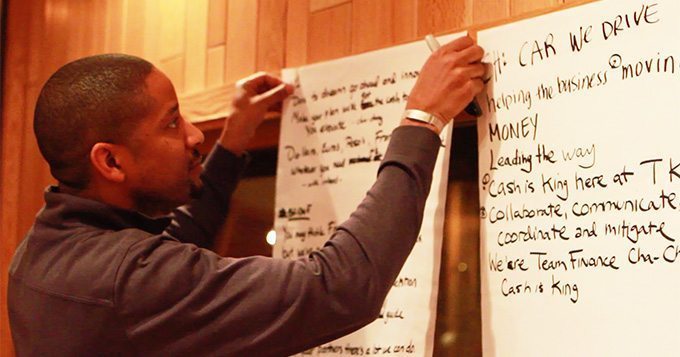
A merger is one of the most significant challenges a company can face. While the financial and operational benefits are often the focus, what happens when companies merge can create significant turmoil for employees. This is where a strategic approach to team merger is critical. A successful merger isn’t just about combining balance sheets; it’s about merging two departments into one cohesive unit and truly integrating teams to build a new, shared culture after a merger.
The Benefits of Merging Two Teams
The benefits extend far beyond a single bottom line when two teams are brought together effectively. A successful team integration can lead to:
- Enhanced Innovation: By combining diverse perspectives, skills, and backgrounds, teams can generate more creative ideas and solutions than they could on their own.
- Increased Efficiency: Eliminating redundant roles and streamlining processes can improve productivity and resource allocation.
- Stronger Corporate Culture: When done right, a merger provides a unique opportunity to cherry-pick the best cultural elements from both organizations to forge a new, more powerful company identity.
The Team Merger Journey: More Than Just a Kickoff
Integrating teams after a merger requires a proactive and empathetic approach. It’s not enough to announce the new structure; leaders must address employees’ real concerns about their jobs, roles, and future.
Here are the key steps to ensure a smooth transition:
- Acknowledge and Listen: The first step is to create a safe space for employees to voice their fears and questions. “Listening sessions” where concerns can be verbalized are crucial. This shows respect for their feelings and builds trust.
- Identify and Weave Cultures: Both companies have their own narratives. Before creating a new one, you must understand the old ones. Use storytelling exercises to identify each team’s core values and unique history. Then, deliberately choose elements from both to create a new, shared vision.
- Find Synergy, Not Just a Solution: Encourage both teams to discuss their current processes and challenges. This can be done through facilitated workshops, such as a Lego Serious Play session, where participants build models of the current and desired future states. This collaborative approach reduces resistance and promotes a sense of shared ownership.
- Demonstrate Commitment: Show employees that their well-being is a priority. Dedicate time and resources to facilitating team building programs. One powerful method is a music-inspired program, where teams collaborate on writing a song about the new company’s mission. This creative process breaks down barriers and builds a powerful, emotional connection to the new organization.
Conclusion
While the business strategy of a merger is paramount, the ultimate success of the new company hinges on its people. By focusing on the human element and proactively integrating teams after a merger, leaders can turn a period of uncertainty into a powerful opportunity for growth, innovation, and a stronger unified culture. Investing in your teams today will yield a more resilient and successful organization tomorrow.